

 See My Latest Article on HelloNation
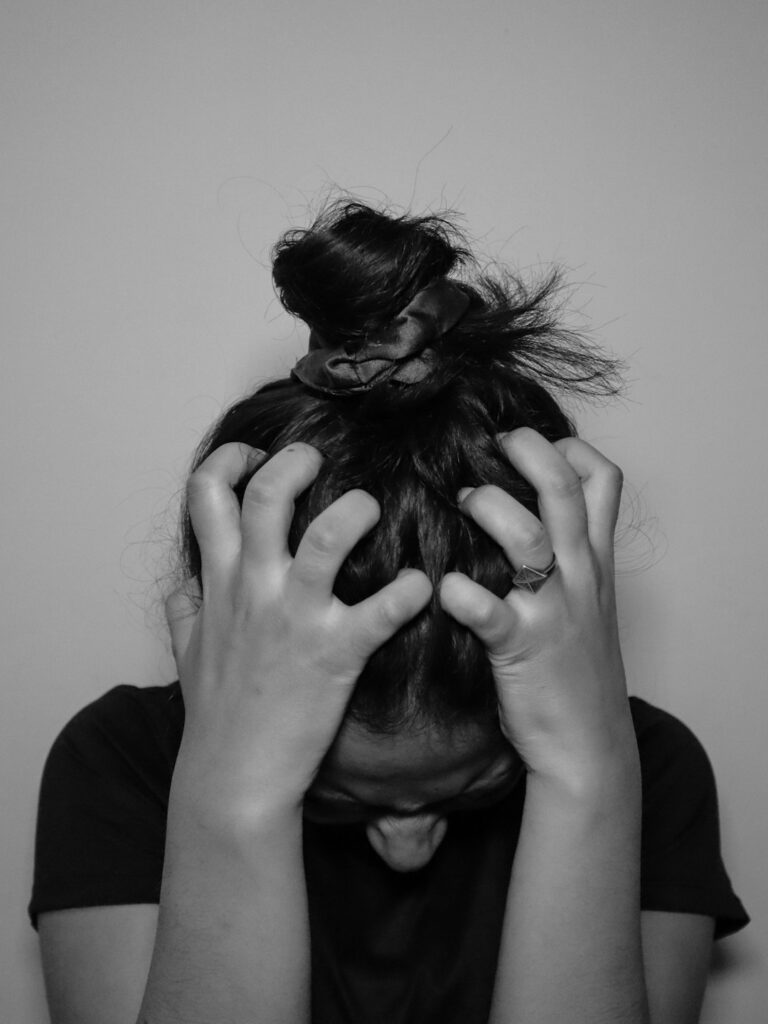
How Might Anxiety Show Up During a Typical Day?
Anxiety is more than just an occasional worry or feeling of nervousness. For many in Ammon, it appears in subtle ways throughout daily routines—sometimes making regular activities feel more stressful than they should. While seasonal factors, the close-knit pace of community life, and local lifestyle patterns may shape experiences, the core signs often have common threads.
Anxiety may reveal itself as:
- Trouble getting started in the morning
- A racing mind during quiet hours
- Unexpected physical discomfort, such as headaches or stomachaches, even when healthy otherwise
Recognizing these shifts is often the first step toward understanding how anxiety might be affecting one’s overall well-being.
What Emotional or Mental Clues Suggest Anxiety?
Feelings of nervousness, constant worry, or dread that don’t easily go away can be clear mental signs. Residents frequently describe:
- Persistent thoughts about “what if” scenarios, even when concerns seem small or unlikely
- Feeling on edge or easily startled
- Trouble making decisions, even for familiar tasks like running errands or planning family activities
These signs may become stronger during certain times of year, such as the transition into colder months, when local routines shift and outdoor activities decrease. Members of local households sometimes mistake these feelings for simply being tired or busy, but they often signal more persistent anxiety.
How Does Anxiety Affect Physical Health?
Many don’t realize anxiety can create real, physical symptoms that accumulate over time. For adults, students, and seniors in the city, this might look like:
- Restless sleep or frequent waking up at night
- Ongoing muscle tightness, fidgeting, or jaw clenching
- Frequent headaches or stomach issues not explained by food, exercise, or environment
Physical signs often linger, even when emotional stress feels manageable. These symptoms may be mistaken for allergies, aches from active hobbies, or minor illnesses—especially in a region known for its outdoor opportunities and shifting weather.
Are There Changes in Behavior or Routine to Watch For?
Shifts in daily habits can be quiet indicators. Ammon households sometimes notice:
- Pulling back from social plans with friends, neighbors, or community groups
- Increased irritability or being “short” with family over minor issues
- Procrastination or avoiding routine responsibilities, like yard work or even answering messages
For students or working adults, anxiety may lead to a drop in school or job performance, less interest in regular hobbies, or spending more time alone. Even small changes, like forgetting to run typical errands or skipping meals, can be practical signs.
How Do Children and Teens Show Anxiety?
Younger members of the community might not express their worries directly. Instead, anxiety may come out as:
- Unusual clinginess with caregivers
- Excessive worry about school, friends, or safety
- Extra sensitivity to criticism or making mistakes

Some children try to avoid school altogether or develop new fears that seem unrelated to daily life. Irritability, tearfulness, and sudden changes in sleep or appetite are also common. Adults may notice these changes more during the shorter winter days or after major transitions such as a move or change in family circumstances.
Can Anxiety Be Mistaken for Other Problems?
Yes—especially in quieter, low-density regions or close-knit settings where residents may be less likely to discuss emotional health. Anxiety can sometimes be misread as:
- Laziness or lack of motivation
- General fatigue (blamed on chores, weather, or busy family life)
- Impatience or moodiness
Assuming anxiety is “just stress” or part of getting older can delay helpful self-care. Regular check-ins, either individually or with household members, can sometimes clarify whether these signs are persistent patterns rather than one-off rough days.
What Daily Touchpoints Can Help in Noticing Anxiety Early?
Small, locally relevant observations can be revealing:
- Noticing whether worries extend well beyond typical concerns about weather, home upkeep, or financial management
- Tracking sleep and physical symptoms over several weeks to see if patterns emerge
- Comparing how someone handles stress during major changes versus periods of routine
In a city where outdoor activities, extended family networks, and seasonal events often shape lifestyles, sudden withdrawal or change in enjoyment of familiar routines can signal more than temporary stress.
What Misconceptions Do Local Residents Often Hold?
A common misconception is that anxiety always looks the same or is obvious to others. In reality, many manage to keep up external commitments—like work, school, or volunteering—while feeling overwhelmed internally. It’s also common to believe anxiety is a sign of personal weakness, which can make open conversation more difficult in tight-knit neighborhoods.
Recognizing that anxiety is both common and treatable, and that it can appear in many subtle forms, is key to early identification and support within the community.