

 See My Latest Article on HelloNation
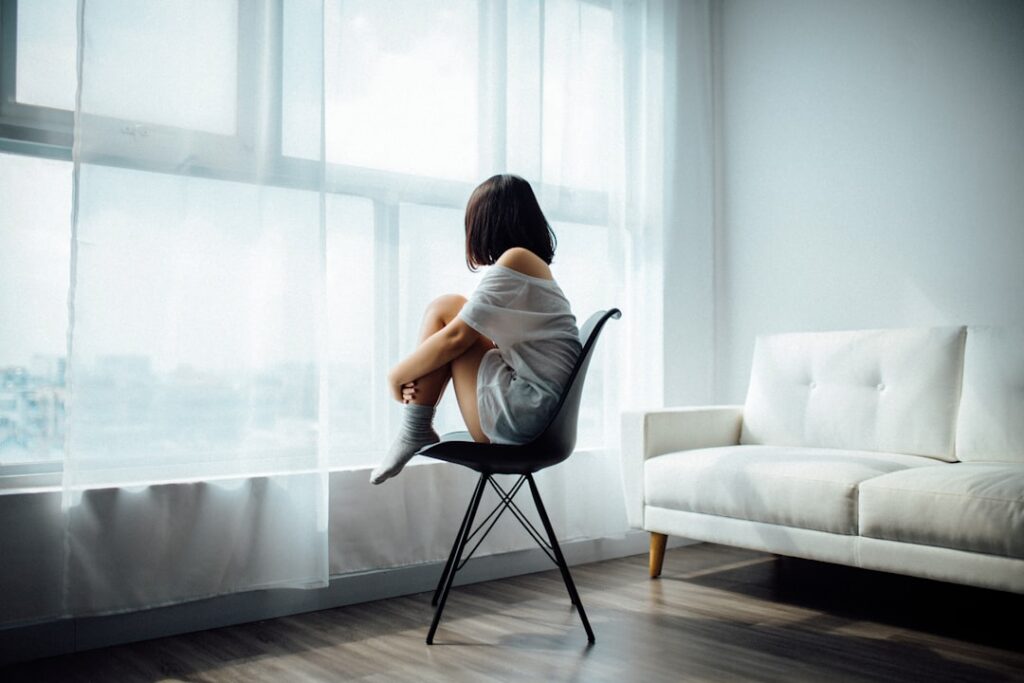
What’s the Difference Between Sadness and Depression?
Sadness and depression are not the same, even though they can sometimes feel similar. Sadness is a normal, temporary emotional response to difficult situations like job loss, disappointment, or grieving. Depression is a medical condition that affects a person’s thoughts, feelings, and daily life for weeks or months.
Understanding which of these you or someone in your household is experiencing helps in deciding what support or steps might help most.
When Is Sadness a Normal Part of Life?
Sadness is a basic human emotion. Everyone in the community—regardless of age or season—will occasionally feel sad due to setbacks, disappointments, or personal losses. Examples in Ammon might include feeling down after a long stretch of cold gray weather, missing out on community sports, or coping with the loss of a pet.
Sadness usually:
- Has a clear reason (such as an argument, bad news, or stress)
- Lasts for a few hours or days, but tends to fade as time passes or circumstances change
- Does not usually interfere with most daily activities, like getting ready for work, talking to friends, or eating meals
Often, sadness lessens with support from family, neighbors, or local activities—even something as simple as taking a walk, whether along city trails or in residential neighborhoods.
What Does Depression Look Like?
Depression is more than feeling sad. It is a health condition that can impact every part of daily life for weeks or longer, regardless of external circumstances or changes in the weather or day-to-day routine.
Common signs of depression include:
- Deep, persistent sadness lasting most days for two weeks or more
- Loss of interest or pleasure in activities normally enjoyed, such as hobby groups or seasonal recreation
- Noticeable changes in sleep (trouble sleeping or sleeping much more than usual)
- Changes in appetite or weight
- Constant fatigue or loss of energy (not just from shoveling snow or yardwork)
- Feelings of worthlessness, hopelessness, or excessive guilt
- Difficulty thinking, concentrating, or making decisions
- Withdrawing from family, friends, or community events
- Thoughts of not wanting to go on living
Depression may develop slowly and sometimes seems to come "out of nowhere"—not always linked directly to events in one's life.
How Do Local Households Cope with Seasonal and Situational Sadness?
The local climate means winter months can be especially challenging, with shorter days and colder weather contributing to what many call the “winter blues.” Residents might notice lower energy or mood from being indoors more and getting less sunlight.
Ways to manage temporary sadness include:
- Spending time outdoors during daylight hours, such as walking through neighborhood parks or along local sidewalks
- Connecting with friends or joining community groups
- Maintaining daily routines when possible
For most people, these steps help sadness lift as seasons change, routines shift, and sources of stress improve.
When Should Residents Be Concerned That It’s More Than Sadness?
If sadness lingers and starts to impact work, studies, relationships, or self-care—regardless of external circumstances—it may suggest more than just passing sadness.

Ask these questions:
- Has this mood lasted most days for two weeks or more?
- Are normal daily activities—like preparing meals, taking care of kids, or grocery shopping—much harder?
- Is there a loss of interest in things that used to bring enjoyment?
- Are there thoughts of not wanting to be here, even occasionally?
If these experiences are present, it’s more likely to be depression rather than sadness. Persistent physical symptoms (like sleeping far more or less, or losing/gaining significant weight) without clear cause are also signs to pay attention to.
Common Misconceptions Among Ammon Residents
Some residents believe that depression is just a sign of weakness or something that can be “snapped out of.” Others may assume that depression always requires severe emotional pain, but milder depression can significantly impact day-to-day life.
Misconceptions include:
- You can always tell the difference by how severe someone acts. (Not true—depression can be hidden.)
- Only adults experience depression. (Children and teenagers can also be affected.)
- Weather alone causes depression. (While local seasons can impact mood, true depression is not just about lack of sun.)
What Can Area Residents Do If They’re Unsure Which It Is?
It’s sometimes hard to distinguish sadness from depression, especially when both share similar feelings or happen during stressful times, such as economic changes, seasonal shifts, or personal struggles. Tracking how long the mood lasts, how much it affects daily life, and whether it’s getting better with typical support can help.
Many find it helpful to:
- Reach out to someone they trust and talk honestly about how they’ve been feeling
- Keep a simple mood journal for several weeks to spot patterns or changes
- Participate in community events or group activities to see if engagement improves mood
If symptoms persist, worsen, or cause concern for personal safety, it is recommended to seek guidance from a medical or mental health professional, as depression is treatable.